How Fotona Laser Treatments Help Rejuvenate Aging Skin
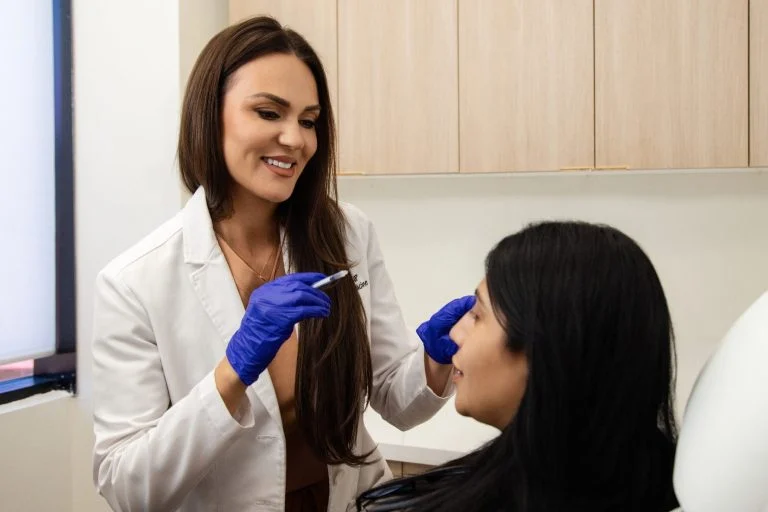
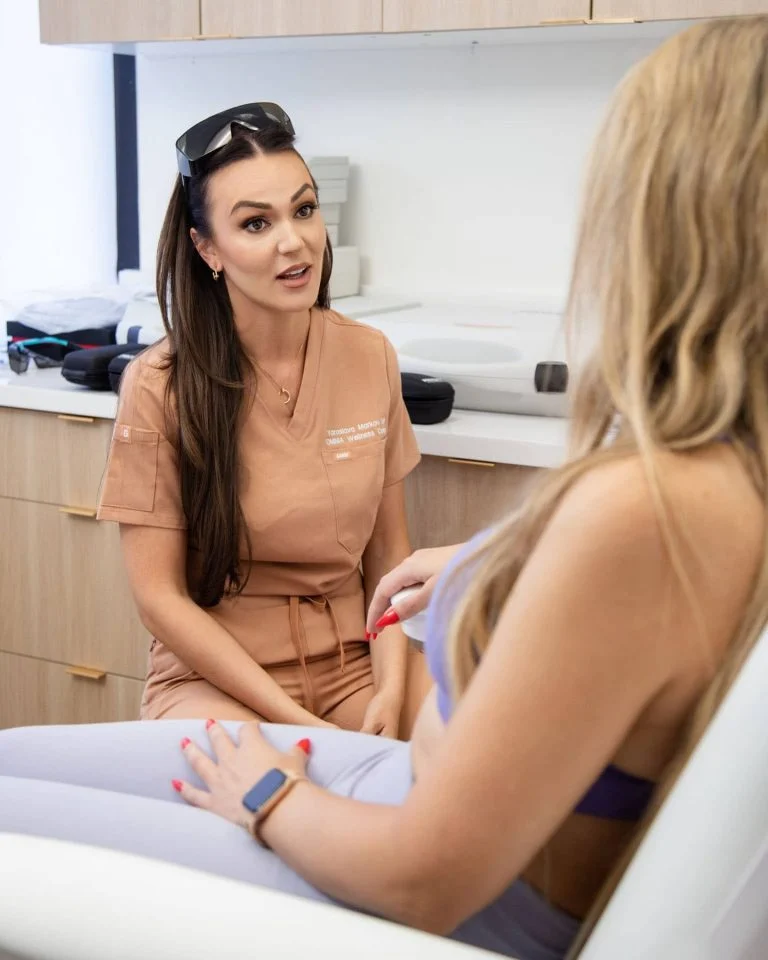
Aging skin rarely changes in just one way. Fine lines begin to settle around the eyes, the texture gets rougher, pores look more obvious, tone becomes less even, and elasticity slips little by little. For many patients, that gradual shift is what makes treatment decisions difficult. They are not trying to erase every year from their face. They want their skin to look stronger, fresher, and more rested without crossing into an overdone result.
That is where Fotona Laser Treatments often stand out. In practice, these treatments are appealing because they can address multiple signs of skin aging through controlled laser energy, while allowing the treatment plan to be adjusted for different skin concerns, downtime preferences, and tolerance levels. Rather than relying on a single approach, Fotona systems are often used to improve collagen remodeling, refine surface texture, tighten tissue, and brighten dull skin through a combination of superficial and deeper tissue effects.
The reason this matters is simple. Aging skin is not only a surface problem. If the collagen scaffold beneath the skin weakens, the top layer starts to show it. A treatment that only polishes the surface may give a short-lived glow, but it may not meaningfully improve laxity or resilience. Conversely, a treatment that focuses only on deeper tightening may leave pigmentation, roughness, and etched lines largely untouched. Fotona’s value is in its flexibility. It can be customized to work on both the visible surface and the underlying support structure.
What Fotona actually is, and why it gets used for aging skin
Fotona is a laser platform known for using two main wavelengths in many of its systems: Er:YAG and Nd:YAG. Those names sound technical, but their practical difference is important. Er:YAG is often used for more superficial resurfacing and precise ablation, while Nd:YAG can reach deeper tissue layers and generate thermal stimulation that supports collagen remodeling and tissue tightening.
That dual capability is one reason experienced clinicians reach for it when treating mature skin. Not every patient needs an aggressive resurfacing procedure. Some benefit most from gentle tightening and a series of no to low downtime sessions. Others have accumulated sun damage, crepey texture, or etched lines that need more visible resurfacing. A platform that can be dialed up or down has a clear advantage in a real clinic setting.
Patients often come in asking for one thing, usually “tightening” or “laser resurfacing,” but their skin tells a more layered story. A woman in her late forties may complain about sagging along the jawline, yet her most aging features on exam are actually under-eye crepiness, uneven pigment, and upper lip texture. A man in his fifties may think he needs filler, but his skin looks tired mainly because chronic sun exposure has thickened, dulled, and dehydrated the surface. In these cases, Fotona Laser Treatments can be tailored so the treatment fits the skin rather than forcing the skin into a preset treatment category.
How laser rejuvenation changes aging skin
Skin rejuvenation is often described in broad marketing terms, but the real process is more specific. Controlled laser energy creates either thermal stimulation, precise micro-injury, or both. That signals the skin to repair itself. Over time, fibroblasts increase collagen production, old damaged tissue is replaced more efficiently, and the skin can become smoother, firmer, and more even in tone.
With aging skin, the key changes clinicians usually target include thinning collagen, slower turnover, uneven pigment from sun exposure, enlarged pores, and mild to moderate laxity. Fotona treatments can help with each of these, though not always in a single session and not with equal intensity for every patient.
When deeper thermal stimulation is used, patients may notice a gradual tightening effect over a few weeks to a few months. This is not the instant pull of a surgical lift. It is subtler and more biologic. The skin often feels denser before it visibly looks tighter. Patients sometimes describe it as their face looking less tired in photos, even before they can point to one exact change.
When resurfacing settings are used, the improvements are usually easier to see earlier. Texture softens, dullness lifts, and shallow lines can look less etched. Makeup tends to sit better. People who have spent years chasing brighter skin with acids, retinoids, and facials often notice that laser resurfacing succeeds where topical care plateaued.
Why Fotona can be a good fit for people who want flexibility
One of the most practical strengths of Fotona is that it can support different levels of intervention. Some patients want measurable improvement with almost no interruption to work or social plans. Others are willing to accept several days of redness or peeling if it means stronger resurfacing. A platform that can be adapted to both ends of that spectrum is useful.
Clinicians often combine treatment modes within a single plan. That may mean using deeper heating to stimulate collagen in one pass, then adding a lighter resurfacing component to refresh the skin surface. In more comprehensive protocols, the face is treated as a whole rather than as isolated problems. This usually leads to more harmonious results. Tightening the lower face while ignoring sun damage on the cheeks rarely creates a truly rejuvenated look.
Patients also vary in pain tolerance, age, healing speed, and skin history. A person who has never had laser treatment and is nervous about downtime may start with a gentler series. Someone who has already tried radiofrequency, peels, and microneedling with limited improvement may be ready for a stronger resurfacing approach. In both cases, flexibility matters more than a one-size-fits-all setting.
The concerns it can improve most effectively
For aging skin, Fotona Laser Treatments are often used to improve several common concerns at once. The degree of benefit depends on the settings used, the condition being treated, and the starting quality of the skin.
Here are the changes patients most commonly notice:
- Smoother texture, especially in sun-damaged or rough skin
- Softening of fine lines around the eyes, mouth, and cheeks
- A firmer feel from collagen stimulation and mild tightening
- Brighter tone with less dullness and better light reflection
- Smaller-looking pores as the surface becomes more refined
The important qualifier is that deeper static folds, heavy jowling, and severe laxity usually need a broader plan. Laser can help, sometimes impressively, but it does not replace surgery where structural descent is significant. Good treatment planning depends on knowing where laser stops being the best tool.
What treatment sessions usually feel like
Patients tend to be less anxious when they understand the sensory experience ahead of time. Fotona is not one single treatment, so discomfort varies. A lighter non-ablative session may feel warm, prickly, and intense in focused areas such as the upper lip or around the eyes. A more aggressive resurfacing treatment can feel much stronger and often calls for topical numbing, cooling, or a carefully managed comfort protocol.
Immediately after treatment, the skin may look pink to red and feel hot, much like a sunburn. With deeper or more ablative settings, swelling can be more noticeable, especially around the eyes. That swelling often peaks within the first day or two and then settles. Surface roughness, bronzing, or flaking may follow as damaged skin sheds.
This is one of the moments where patient expectations matter. Some people hear “laser rejuvenation” and imagine one session with instant, flawless skin. Real treatment looks more ordinary than that. There may be a few days of redness. The skin can feel dry or tight. A patient who planned a treatment the day before a major event may regret the timing even if the healing is perfectly normal.
That said, many patients prefer the trade-off once they understand it clearly. A few days of visible recovery can be reasonable if the texture, clarity, and firmness improve in a way that topical products simply have not delivered.
The difference between immediate glow and long-term remodeling
One of the more confusing parts of aesthetic treatment is that early results and final results are not the same thing. After many laser sessions, the skin looks brighter fairly quickly because mild swelling smooths the surface and fresh exfoliation boosts reflectivity. That early glow is real, but it is not the whole story.
The more meaningful anti-aging effect often develops later. Collagen remodeling is gradual. Patients may start to see skin quality shift over six to twelve weeks, sometimes longer depending on the treatment intensity and the individual healing response. Fine lines soften as the surface becomes more uniform. Skin may bounce back better when pinched or pressed. The face can look less collapsed in certain lighting.
This delayed improvement is why staged treatment plans tend to outperform one-off sessions. A single treatment may refresh the skin. A well-timed series can progressively rebuild some of the lost support and improve consistency across the full face. In practice, many clinicians prefer to reassess after each session instead of promising a fixed endpoint from the start. Skin does not always respond on a schedule, and mature skin often rewards patience more than intensity.
Who tends to do well with Fotona Laser Treatments
The best candidates are usually people with early to moderate signs of aging who want visible improvement in skin quality, texture, and mild laxity. They may not be ready for surgical procedures, or they may not need them. They often value natural-looking change over dramatic transformation.
Age itself is less important than skin condition. A healthy 60-year-old with moderate sun damage and realistic expectations may be a much better candidate than a 38-year-old who wants one treatment to erase deep movement lines, tighten a heavy lower face, and remove all pigmentation permanently. Laser can do a lot, but it works best when its role is clearly defined.
It also helps if the patient is willing to protect their results. Daily sunscreen, pigment-safe skincare, and a consistent maintenance plan matter. Without that, newly refreshed skin is exposed to the same cycle of UV damage and inflammation that caused many of the visible changes in the first place.
When caution is necessary
Laser treatment is never just about the technology. It is about matching the technology to the right skin at the right time. Certain patients need more careful evaluation. Recent sun exposure, active infections, irritated skin barriers, a history of abnormal scarring, and some pigment disorders may increase the risk of complications or make postponement the wiser choice.
Skin tone also requires thoughtful planning. Depending on the treatment parameters and the patient’s baseline pigmentation, there can be a higher risk of post-inflammatory hyperpigmentation in some individuals. That does not automatically rule out Fotona, but it does mean settings, pretreatment preparation, and aftercare need to be chosen with care.
Another common issue is unrealistic comparison. Patients sometimes arrive after seeing dramatic before-and-after photos online and assume any laser session will recreate that result. What those images rarely show is whether the patient also had injectables, surgery, skincare changes, or repeated sessions over several months. Honest counseling matters more than flashy photography.
Recovery is part of the treatment, not an afterthought
The healing period shapes the final result more than many people realize. Over-cleansing, picking at flaking skin, skipping moisturization, or returning to intense sun too soon can compromise both comfort and outcomes. Good aftercare is not glamorous, but it is often what separates a smooth recovery from an unnecessarily difficult one.
Most patients do best when they keep the routine plain and protective for the first several days. That usually means gentle cleansing, generous moisturization, strict sun protection, and temporary avoidance of strong exfoliants, retinoids, or harsh active ingredients until the skin barrier is stable again.
A practical aftercare approach often includes:
- Using a bland cleanser and moisturizer until the skin feels calm
- Avoiding direct sun and applying broad-spectrum sunscreen diligently
- Pausing retinoids, acids, and scrubs until cleared to restart
- Letting flaking skin shed naturally instead of rubbing or picking
- Following the clinic’s instructions closely if swelling or heat lingers
In real life, the hardest part for many patients is not discomfort. It is restraint. People want to “help” the skin along by exfoliating rough patches or layering on too many products. Usually the best thing they can do is less.
How Fotona compares with other rejuvenation options
Patients often ask whether Fotona is better than microneedling, radiofrequency, intense pulsed light, or fractional resurfacing. The better question is what each treatment does well.
Microneedling is useful for texture and mild collagen stimulation, and recovery is often manageable, but it may not match laser resurfacing when sun damage and etched texture are prominent. Radiofrequency can support tightening, yet surface refinement is usually more limited. Intense pulsed light can target pigment and redness, though it is not the same as true resurfacing. More aggressive ablative lasers can deliver dramatic results, but they may come with longer recovery and a narrower comfort margin for some patients.
Fotona often occupies the middle ground in a helpful way. It can be conservative or more corrective depending on the protocol. That is a meaningful advantage for patients whose needs do not fit neatly into one category.
There is also a practical office reality that matters. Treatments are not judged only by their theoretical mechanism. They are judged by whether patients are willing to complete the plan. A treatment that is slightly more powerful on paper may underperform in the real world if the downtime is too disruptive for the patient to repeat it or maintain it.
The role of combination treatment
Laser rejuvenation is often strongest when it is not expected to do everything alone. Aging affects volume, muscle movement, skin quality, and facial support. Fotona can improve the skin itself very effectively, but some patients also benefit from neuromodulators for expression lines, filler for volume loss, biostimulatory injectables, or medical-grade skincare to maintain brightness and barrier health.
This is not a sign that laser failed. It is a recognition that facial aging is multi-layered. In fact, the most natural outcomes usually come from modest improvements in several domains rather than one dramatic intervention in a single area.
A common example is the patient whose cheeks look rough and tired, whose smile lines feel heavier, and whose lower face has begun to soften. If laser improves only the surface, the skin may look fresher but still appear fatigued from volume loss. If filler is used without improving skin quality, the face may look fuller but not healthier. Thoughtful combination care often produces the balanced result people are actually hoping for, even if they did not know how to describe it at first.
What kind of results are realistic
Patients usually appreciate straight talk here. Fotona Laser Treatments can make aging skin look healthier, smoother, firmer, and more luminous. They can soften lines, improve texture, and restore some vitality to skin that looks weathered or crepey. What they generally do not do is create surgical-level lifting or erase deep folds in one session.
The most satisfying outcomes tend to look believable. Friends may say someone looks rested, polished, or unusually well, without immediately identifying why. That subtlety is often a sign of good treatment planning. Skin rejuvenation should harmonize with the face, not sit on top of it.
Durability also depends on age, lifestyle, and maintenance. A patient who smokes, tans, sleeps poorly, and skips sunscreen will not hold results as well as someone who protects their skin carefully. Most people benefit from maintenance sessions over time, especially once the initial correction phase is complete.
Why provider judgment matters as much as the device
A good laser platform is only part of the equation. Technique, restraint, and patient selection are what turn technology into a strong outcome. The same device can https://cristianczga378.cavandoragh.org/fotona-laser-treatments-before-and-after-what-results-look-like produce a tasteful refresh in one practice and disappointing or overly aggressive results in another.
Experienced providers do a few things consistently. They assess the whole face, not just the complaint. They explain the likely payoff relative to the downtime. They know when to treat conservatively and when to layer modalities. And they are comfortable saying no when a patient is better served by another option.
That judgment becomes especially important with aging skin because mature skin is variable. Some 65-year-olds heal beautifully. Some 42-year-olds with chronic inflammation, barrier damage, or heavy sun exposure do not. The device cannot make that distinction on its own.
A measured path to healthier-looking skin
For patients who want meaningful rejuvenation without rushing into surgery, Fotona offers a compelling middle path. It can resurface, stimulate collagen, and improve skin quality in a way that aligns with how aging actually shows up, as texture changes, tone irregularity, fine lines, and gradual loss of firmness rather than one isolated flaw.
Its appeal is not hype. It is versatility. When used thoughtfully, Fotona Laser Treatments can help aging skin look more resilient and alive, while still looking like itself. That balance is what many patients are really after. Not a different face, just skin that reflects less damage, more strength, and a better version of how they already want to look.
OMNIA Wellness Center
Address: 16430 Ventura Blvd Ste 207, Encino, CA 91436
Phone number: +18183868511
FAQ About Fotona Laser Treatments
What is a Fotona laser good for?
A Fotona Laser system is a versatile, dual-wavelength medical laser used primarily for non-surgical skin tightening, anti-aging rejuvenation, and dermatological treatments.
How much does the Fotona laser cost?
The cost of a Fotona laser depends heavily on whether you are looking to purchase a laser machine for a medical practice or are a patient seeking a laser treatment at a medspa.
Is a Fotona laser worth it?
A Fotona laser treatment is generally worth it if you want non-surgical skin tightening, improved texture, and collagen stimulation with very little downtime.